Description
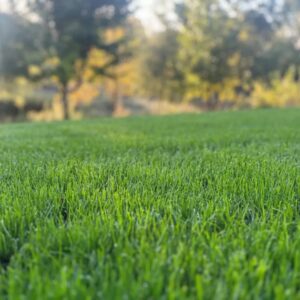
Backed by university research, this mix supports over 50 bee species, including honey bees and many of our struggling native bees. Whether you’re starting a new lawn or overseeding an existing one, this alternative lawn provides lasting beauty, resilience, and purpose.
Why Choose a Bee Lawn?
- Eco-Friendly: Fine fescues and clover can thrive fertilizer-free and outcompete weeds.
- Low Maintenance: Fine fescues are drought-tolerant and adaptable to many soils—perfect for a tidy lawn that requires less mowing and water.
- Beauty with Purpose: Low-growing, mow-able flowers like self-heal and creeping thyme add seasonal color and charm while attracting pollinators year after year.
- Pollinator Pitstop: Provides critical forage for a wide range of bees and beneficial insects.
- Versatile: Excellent for new plantings or to overseed existing lawns, helping you gradually shift toward a more sustainable, living landscape.
Bee Lawn Mix Contains:
32% Chewings Fescue
32% Creeping Red Fescue
32% Hard Fescue
2% Dutch White Clover
1.75% Self-Heal
0.25% Creeping Thyme
Quantity/3 Lbs. Bag, 5 Lbs. Bag
Seeding Rate:
3lb/1,000sqft overseeding, 5lb/1,000sqft new planting



Mary Crabtree –
Over seeded my lawn with this. Followed all instructions. Two and a half weeks out NOTHING has sprouted! Very disappointed.
Morgan Keith –
Hello Mary,
We are sorry to hear that you are disappointed with the result. I’m not sure where exactly you are located, but we are certainly seeing some unique environmental factors and drought conditions this year in Colorado. The lack of moisture could have something to do with the germination rate. If you want to give us a call or come back into the store, we would be more than happy to help determine a solution and next steps.
John Cochran –
We had a contractor bring several yards of new soil to our front yard in August 2025. We planted the Bee Mix and the contractor, unbeknownst to us, planted more fescue that they bought at Tractor Supply. Together the two grasses have totally covered over the new dirt and the grass is several inches high. It has never been mowed except for the six or so deer that come frequently to graze. It is pretty but we have not yet seen any wildflowers even though we have had ample rain in the Spring of 2026.
Morgan Keith –
Hey John,
Thank you for sharing your experience! It sounds like there could be a few factors at play. The deer could be eating the Dutch clover – or perhaps the fescues outgrew the Dutch clover. If you are looking for more wildflowers to pop up within the grass, you may enjoy our multi-color high altitude mix. I hope this information helps!